Extra Virgin Olive Oil & Coffee Scrub
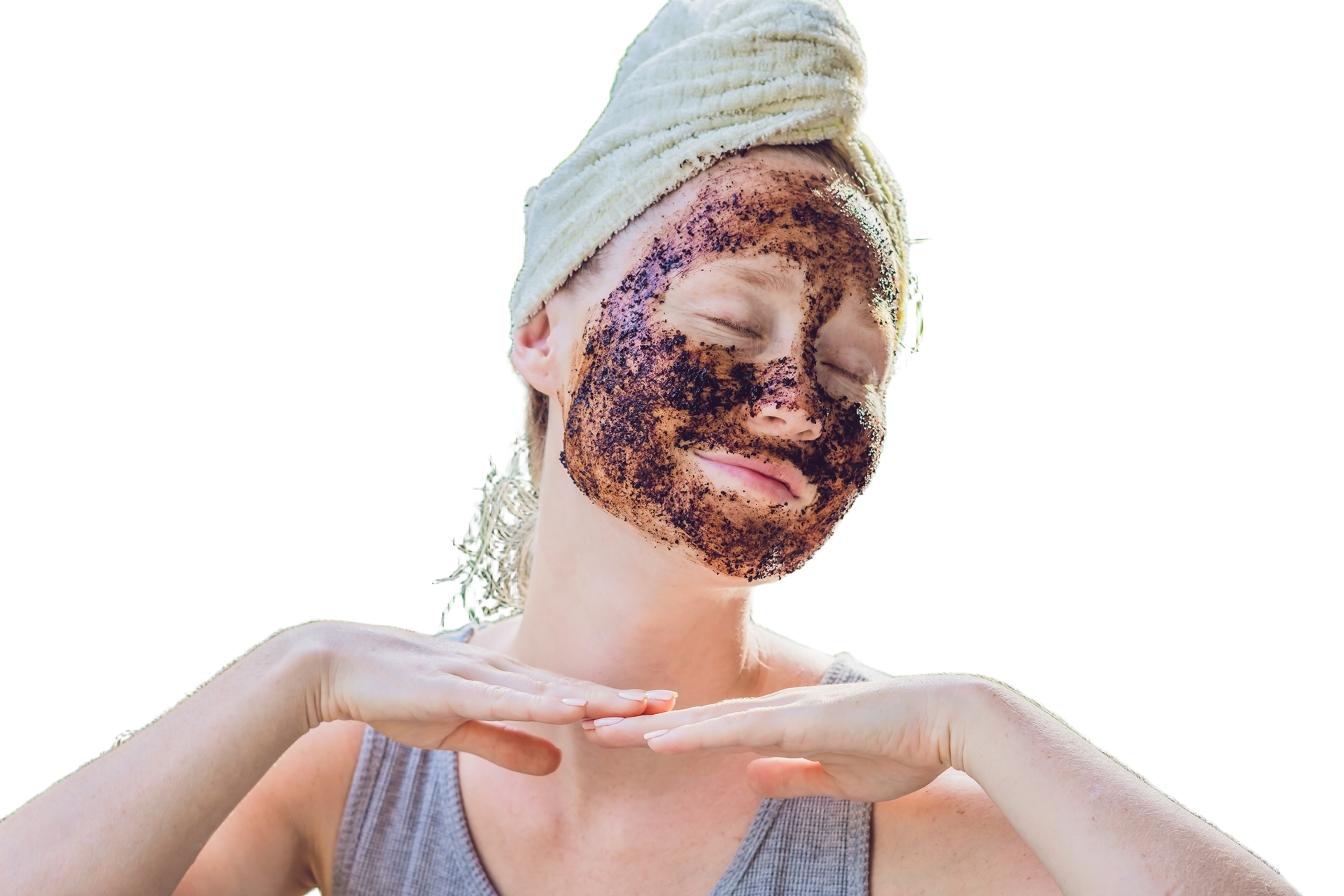
Extra Virgin Olive Oil (EVOO) is renowned for skin care and caffeine is renowned for its stimulating properties. Apply topically to help improve blood circulation, promote a youthful complexion and so much more.
Using this DIY EVOO & Coffee Scrub is simple. Here are steps to maximize the experience.
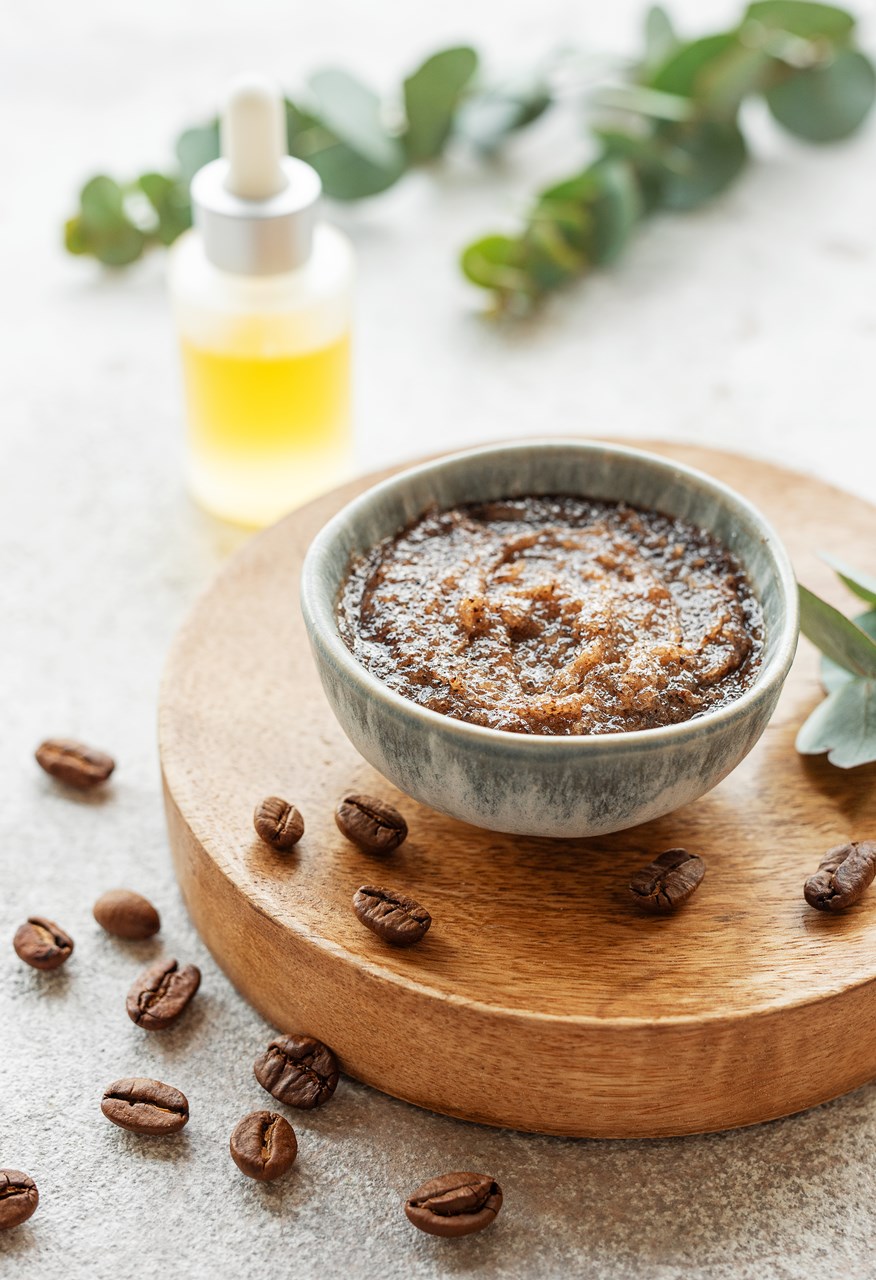
INGREDIENTS
1 cup used coffee grounds or instant coffee (also called coffee powder).
To gain benefits of caffeine, do not use decaffeinated coffee grounds.
For a more potent exfoliation use fresh coffee grounds which contain higher levels of caffeine and antioxidants, which boost any skin-related benefits.
½ cup EVOO
- Always opt for quality EVOO with high polyphenol (powerful antioxidants and anti-inflammatories) count.
Jar with tight-fitting lid.
DIRECTIONS
Combine coffee grounds or powder and EVOO in a small bowl. Add water to the EVOO & Coffee mixture to make a paste-like texture or to your desired thickness.
HOW TO USE
Preparation & Application
- Rinse your skin in warm water or wash with your regular cleanser.
- Put a small amount of scrub in your hand.
- Stay away from the undereye area.
- Gently rub it on your skin, which may include lips, in small circular motions for no longer than 30 seconds.
- Allow the scrub to sit on your skin for 10 to 15 minutes. This will give the beneficial properties of EVOO and caffeine time to absorb into your skin.
Rinsing Off
- Rinse your skin liberally with lukewarm water.
- Shave, if desired.
- Pat your skin is dry.
- Apply a moisturizer.
Full Body Scrub
Your body can benefit from EVOO & Coffee scrub exfoliating action too. Since coffee scrubs can get a bit messy, the shower is the best spot.
- Follow the steps for facial scrub—wet your skin, then massage the coffee scrub over your body with gentle circular motions. Rinse off and follow with body lotion.
STORAGE
You may make exactly what you need for one scrub but if you make a larger batch you will need to:
- Transfer to a clean jar with a tight-fitting lid. An airtight container is essential for keeping this scrub fresh.
- Keep the container in a cool, dry place away from direct sunlight to prevent the growth of bacteria and mold as this is an all-natural product without preservatives.
- If you made a large batch, you may divide and freeze to extend the shelf life further. Simply thaw as needed.
EVOO & Coffee Scrub for Different Skin Types
Whether you have oily, combination, dry, normal or acne prone, dermatologist recommend gently exfoliating two or three times per week.
Is EVOO & Coffee scrub safe to use on your face and body?
- Dermatologists endorse coffee scrubs as safe to use on the face and body.
- If you have acne, rosacea, eczema, or are using any retinoid containing products consult with a dermatologist before introducing this scrub into your routine.
- If you have open wounds or any skin infections, wait until you have healed before using any scrub.
- If you do not drink coffee on a regular basis, a patch test on your arm before using it is a good idea.
How to do a patch test:
- Wash your arm from your wrist to your elbow and pat it dry.
- Rub a small amount of coffee grounds onto a small area of the underside of your arm and wipe.
- Wait 24 hours. If there is no reaction, you are good to go. If you experience redness, itching, or hives, you will want to avoid using a coffee scrub on your skin moving forward.
Click on title to request your e-booklet: UNMASKING THE TRUTH—How to purchase EVOO confidently.

LIMITED ENGAGEMENT
TASSOS® GREEK SEASONAL PEPPERS
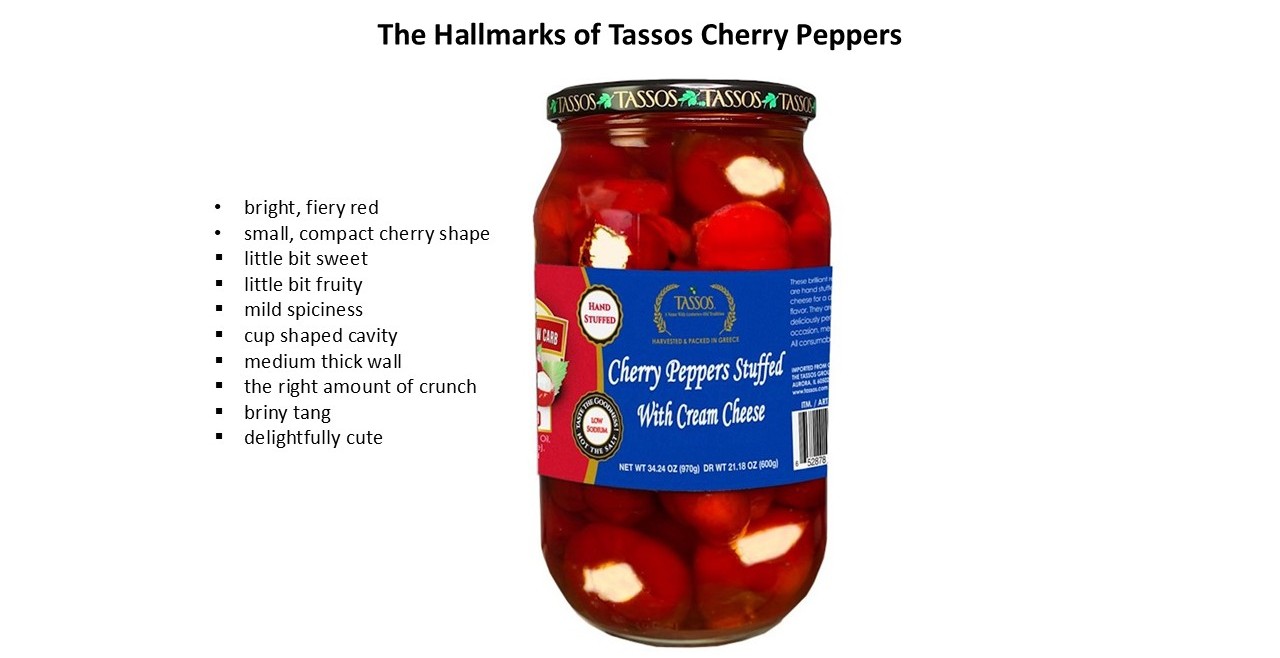
PAPANDORO & CHERRY STUFFED PEPPERS
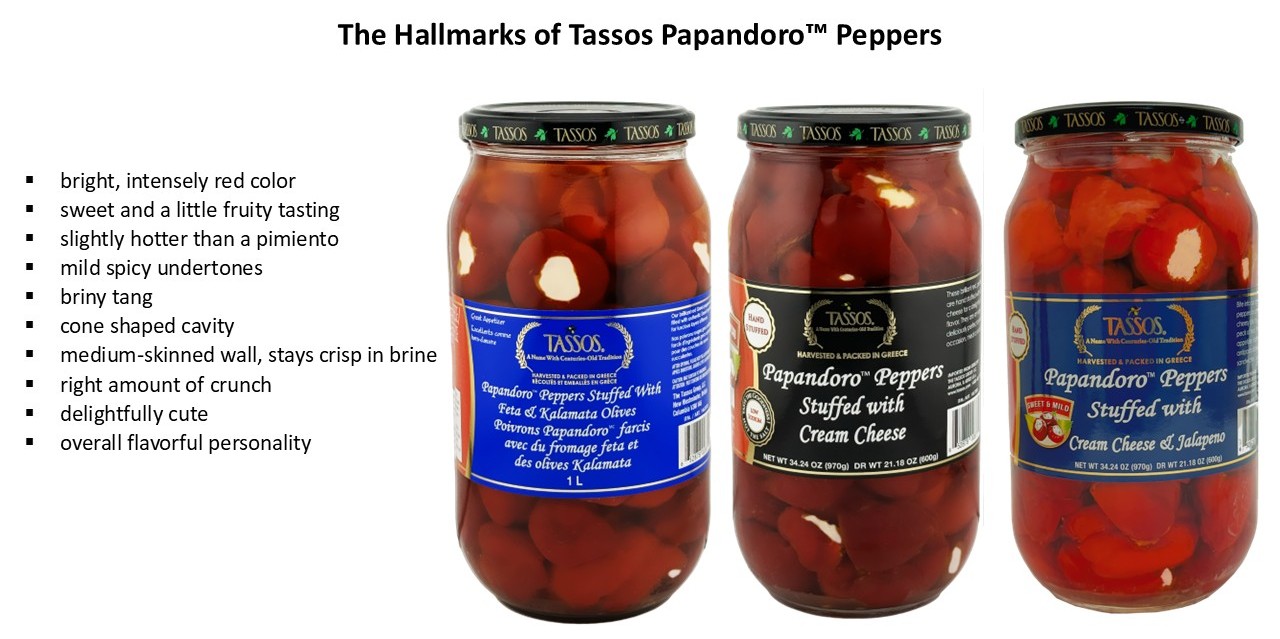
Introducing our one-of-a-kind stuffed peppers that redefine flavor layering! These peppers are the epitome of sophistication and deliciousness with a velvety, cheesy center that will leave you craving more.
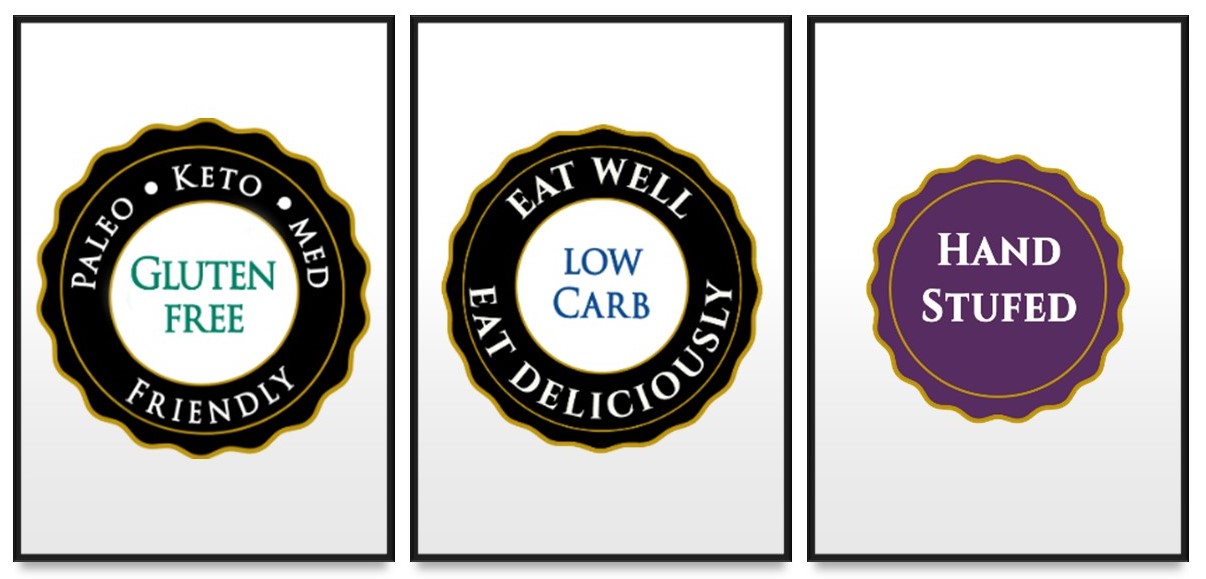
Whether you're hosting a fancy event, enjoying a quick meal, or following a specific diet, these peppers are the answer you've been looking for.
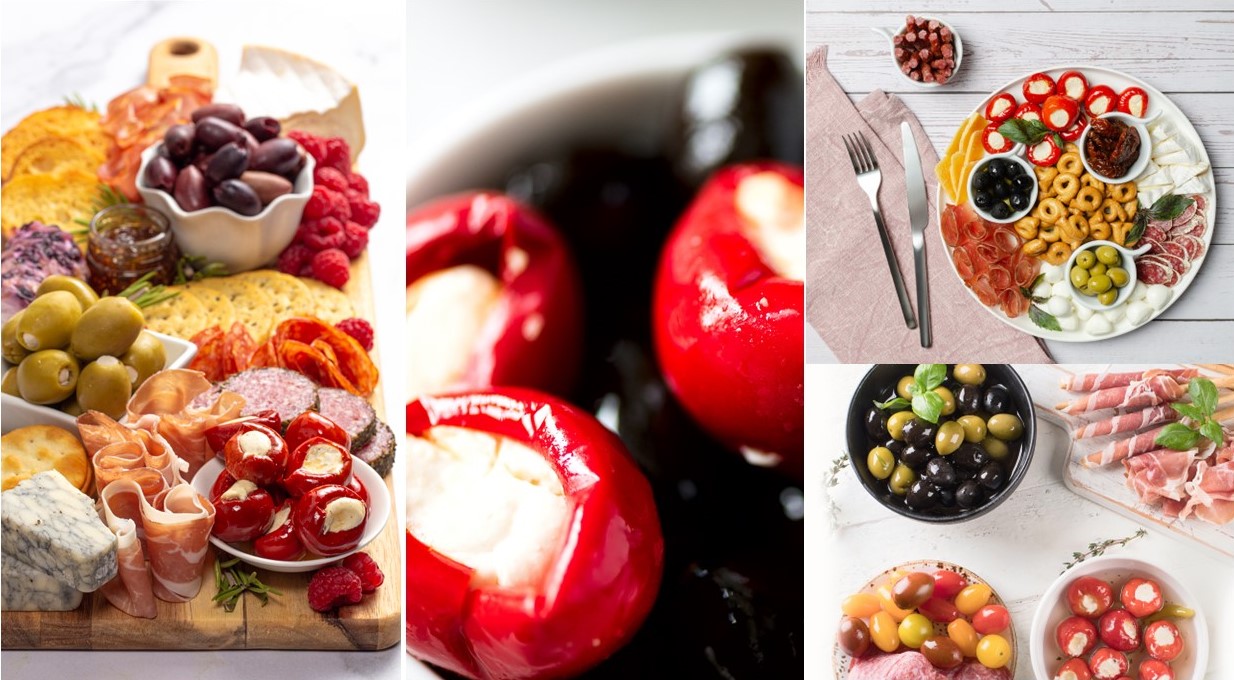
Serve to oohs and aahs. Not only do they make a fantastic appetizer or side dish, but they also add a burst of flavor to sandwiches, pizzas, and salads. And let's not forget about their potential as pepper shooters on an antipasto platter - a truly genius hors d'oeuvre!
Get ready to impress your taste buds with these mouthwatering, perfectly stuffed peppers.
Seriously Savory!
Buy Now While Supplies Last

TASSOS® SUNDRIED TOMATOES
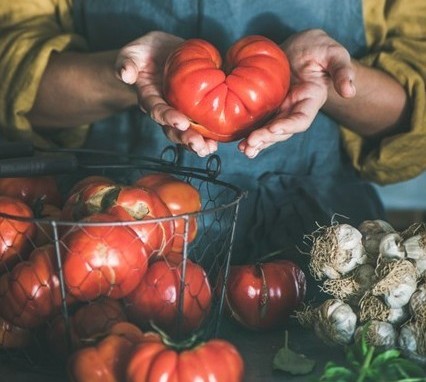
Back in the 1980s, it seemed like every dish on the menu featured sundried tomatoes. The tremendous popularity of sundried tomatoes did not secure their future. Such was the demand that low-quality, sawdust-tasting tomatoes were rushed into industrial dehydrators. No wonder they lost popularity when the result was a bitter, floppy textured sundried tomato with leached-out flavor.
We wish to reacquaint you with what sundried tomatoes are supposed to taste like.
We dry our tomatoes underneath the sun. This slower, ancient process of drying directly under the sun, without chemicals or preservatives, produces wonderful, dried fruit in shades of a fine Cabernet. The bright, bold taste of the highly perishable ripe tomato is preserved for year-round enjoyment.
Sun drying concentrates the tomatoes’ flavor, making them even more delicious, and concentrates the nutrients that deliver health benefits. They are rich in vitamins, minerals, and antioxidants.
One Cup of Sundried Tomatoes is Super Nutrition
- 39 percent of the recommended daily intake of potassium
- 31 percent of niacin
- 27 percent of phosphorus
- 25 percent of the recommended intake of magnesium
- 23 percent of the recommended daily intake of vitamin C
- 23 percent of the daily intake of thiamine and riboflavin
- 16 percent of vitamin A
- 9 percent of the daily intake of vitamin K
- 6 percent of the daily intake of calcium
- about 1 milligram of lutein and zeaxanthin
- 25 milligrams of lycopene (Sundried tomatoes have a higher bioavailability of lycopene than fresh or canned tomatoes. Bioavailability is the amount of a substance that can enter your circulation and have an active effect.)
- about 40% of daily recommended intake of dietary fiber
- good source of copper and iron
Traditional Food for Modern Menus
How to Use & Cook with Sundried Tomatoes
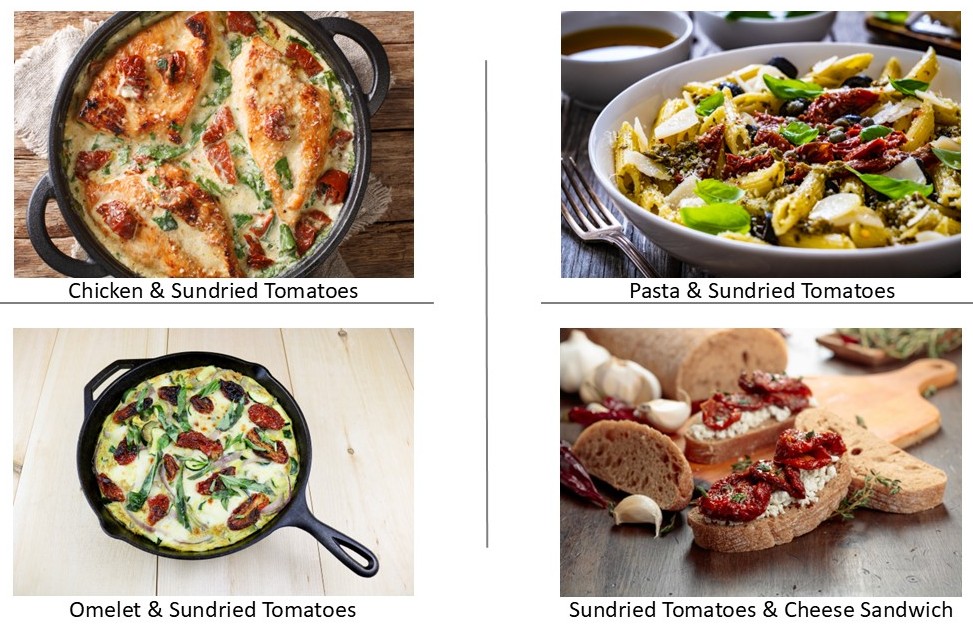
One of the best things about sundried tomatoes is the many foods they pair well with. They are chewy, slightly sweet, and have tangy qualities. You will find our Sundried Tomatoes highly versatile for adding flavor and texture to any fresh or cooked dish while being low-carb and low-calorie:
- toss into pasta dishes or onto to pizzas
- spreads and dips
- stir fry
- folded into bread and muffin batters
- sandwiches
We are excited to introduce three new offerings of sundried tomatoes! These flavorful additions bring a burst of summer to your dishes, no matter the season.
Discover the Exciting Additions to Our Tomato Selection!
We have crafted delicious layers of flavor by pairing our tomatoes with authentic Feta Cheese, Kalamata Olives, and Greek-grown lemony-tart capers.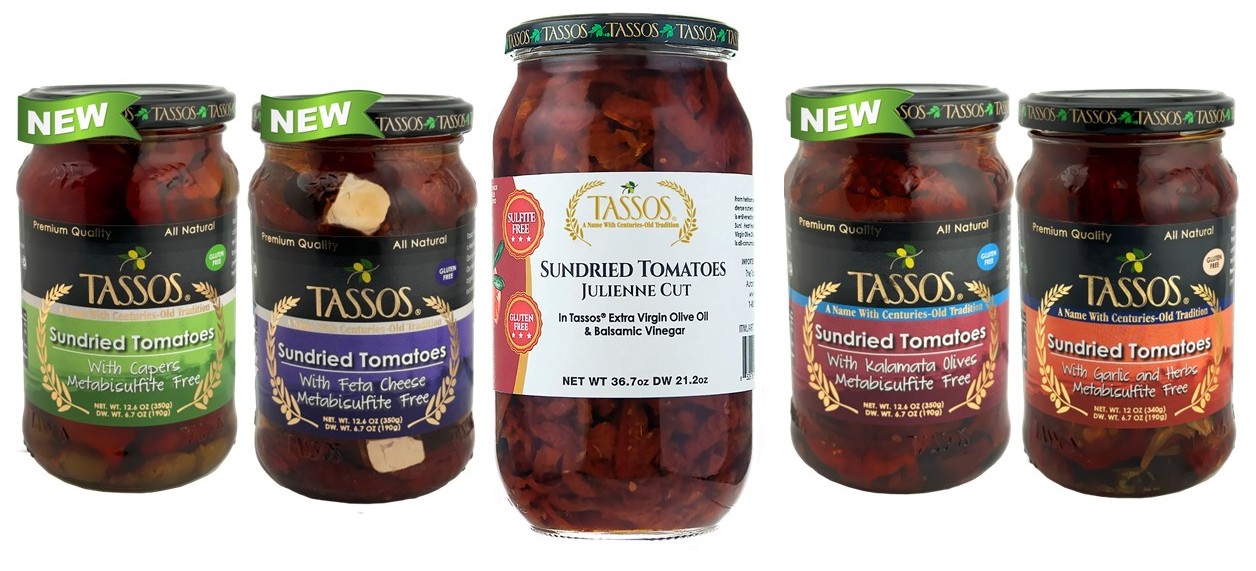 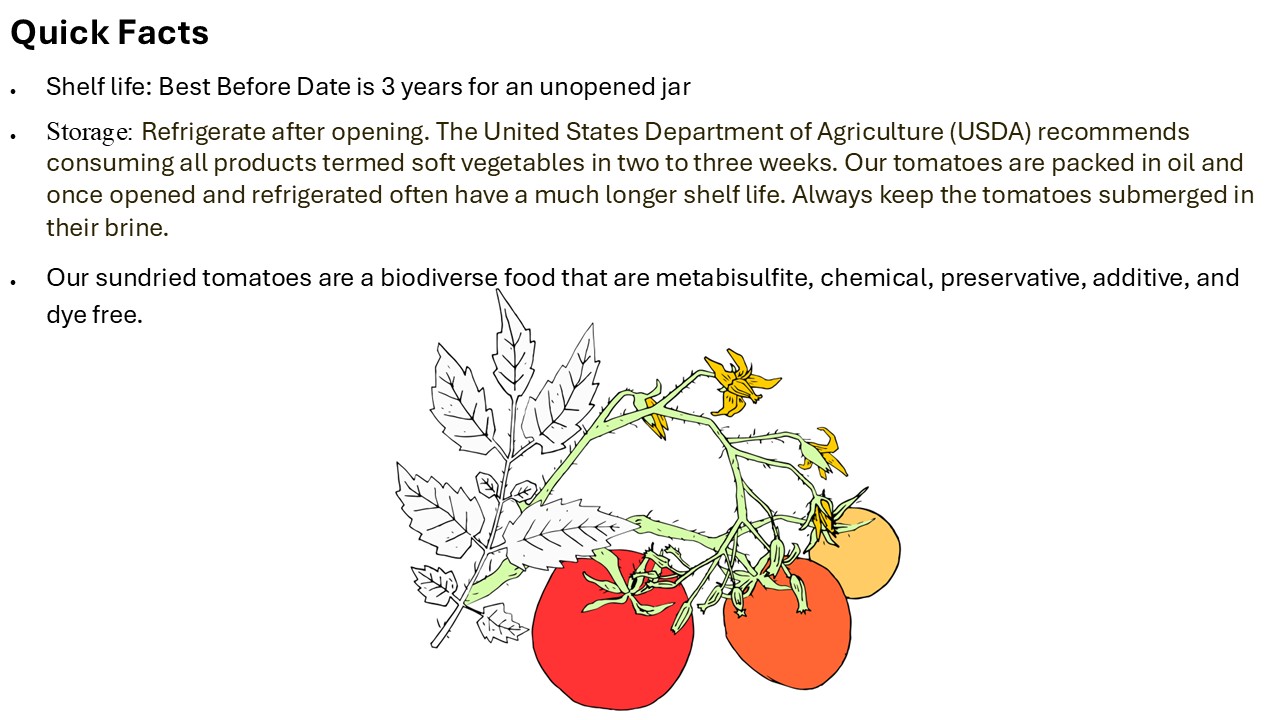
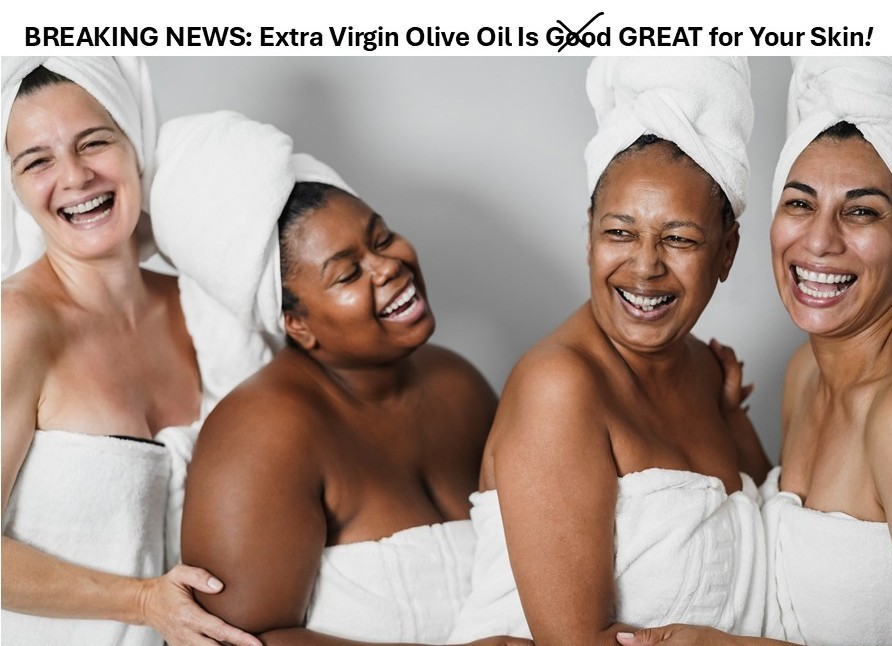
Extra Virgin Olive Oil (EVOO) brings a wealth of internal health benefits with the daily ingestion of two to three tablespoons but now there is an exciting and growing area of research on the topical application of EVOO and how it is doing the same for your skin.
Plants play a relevant role as a source of biologically active natural products with cosmetic and dermatological importance. EVOO in particular, transfers proven antioxidant, anti-inflammatory, anti-aging, antimicrobial and photoprotector properties when applied directly to the skin.
Currently, there is a great interest on natural resources to restrict the use of synthetic substances. The beauty and pharmaceutical industry would have you believe that to have a great complexion only a manufactured product will do. Not so. Easily accessible and inexpensive options for skin care are accessible to you right now is an all-natural, plant-based product in your kitchen called Extra Virgin Olive Oil.
Benefits of Extra Virgin Olive Oil for Skin
Seals in water: EVOO reduces water loss, improving skin health and appearance by delivering a deeper hydration. EVOO allows the skin to breathe naturally. Oxygen flow to the skin promotes the production of collagen, which gives the skin its youthful plumpness and smooth texture. When hydration is lacking and collagen is stripped, skin appears dull and saggy.
Olive oil mirrors the natural oils in your skin. Unlike mineral oils, petroleum or any other processed oils that sit on top of your skin, the properties of EVOO do not clog your pores as many moisturizers may.
Repairs skin damage: EVOO may help prevent UVB-induced skin damage and skin cancer. It protects against premature aging skin caused by free radicals and sun damage and fights inflammation. Penetrating skins layers, EVOO provides protection from free radicals. It may be especially helpful to use olive oil as a moisturizer after you’ve been exposed to the sun or suffered a sunburn. EVOO has been used for millennia to heal wounds as it enhances repair through promoting cell migration, cell proliferation and depositing collagen and it does the same to sun, age or acne scarred skin. If you have acne scars, EVOO can help. As you begin to use olive oil for your face, you help promote cell regrowth. This creates a smoother texture leaving your skin looking healthier than before.
Prevents premature aging: EVOO’s vitamins, antioxidants and squalene, a plant sterol, improve elasticity by increasing moisture retention. They all come together to protect skin cells and help control the ageing process. EVOO also provides moisture and soothing effects through its anti-inflammatory and immune-modulatory function, which have a stabilizing action on the cellular membranes. Vitamin E has anti-aging benefits by restoring damaged skin cells and preventing damaging ultraviolet light from penetrating the skin layers. EVOO’s many other phytosterols also act as an antioxidant and promotes the production of collagen, which naturally decreases as we age.
Lifts Makeup & Sebum: EVOO doesn’t break down either of these substances but rather lifts oil-soluble residue up and away. Antioxidants in olive oil can reach deep into the pores to help remove dead skin cells, dirt, and even blackheads. It can treat and prevent returning acne as it removes excess oil on the face.
How to Use EVOO
Using EVOO as part of your skin care regimen will help replenish and restore the skin’s balance, elasticity, and hydration. Unique characteristics of various olive oils are important when considering their use for topical skin care.
- Be sure to select a superior grade of EVOO that has a very low oleic acid, 2 to 5% is preferable. Each bottle of Tassos® olive oils has the oleic acid percentage on the front of each label.
- EVOO comes in either glass or tin. Since you don’t wish to take a glass container into the shower, buy a plastic squeeze bottle or plastic cup to put your EVOO into.
- If you wish you can add a few drops of lavender oil for fragrance and keep in your bathroom for hair and body treatment.
- The best time to apply EVOO is right after you wash as you want to be slightly moist.
- Applying to your face, you may use directly or mixed in with your moisturizer.
- Wipe off any excess oil.
But What If My Skin Is Already Oily?
One of the biggest fears people have in using oil on their face is that it will cause breakouts. Surprisingly, the opposite is true when you use the right oils on your face. The basic concept of the oil-cleansing method operates on the “like dissolves like” premise. In other words, rubbing oil on the skin will dissolve the oil that has built up and hardened with dirt and impurities.
Read more about this and the methods to use EVOO for acne and breakouts: Oil Cleansing Method: Acne, Recipe, Blackheads & Purging
Risks And Side Effects
Treatment with olive oil has no potential side effects. Olive oil does not burn or traumatize the skin. If you are particularly sensitive, go ahead and perform a patch test to be on the safe side. Apply a little EVOO to your skin and wait for a few minutes. Check for any adverse effects like redness, irritation, swelling, burning, or inflammation.
References: You may request from here.


EAT WELL TO BE WELL:
INTRODUCING TASSOS® GREEK RUSKS & BREADSTICKS
We use only those ingredients you would use if you made our products at home.

Consumers expect more from their food than ever before. Nearly three out of four people recently responded to a national survey that they are committed to at least one health, wellness, ethical, or environmental attribute among the foods they eat.
This survey appears to reflect the growing desire among consumers to move past general claims of “all natural” to specifically understanding the kind of food they’re buying. Besides food with no artificial ingredients or preservatives, consumers want to know where their food comes from and if it is environmentally sustainable.
Being well and eating well is not a fad. Tassos offers foods central to the Mediterranean diet. It is a simple diet that emphasizes eating more fruits, vegetables, whole grain breads, cereals, beans, nuts, seeds, and a lot of quality olive oil.
It is not just any diet. It has been proven to add healthier years to our lives, and it has also been declared as an “intangible cultural heritage of humanity” by UNESCO (United Nations Educational, Scientific and Cultural Organization). Imagine? Up there with the likes of the Great Wall of China, the Taj Mahal in India and Greece’s Acropolis, is essentially an ancient yet very simple guide to food choices.
Three other remarkable aspects of the Mediterranean diet are:
- It is complete and balanced, and no food is excluded.
- It has a better impact on our planet.
- It never bores your palate.
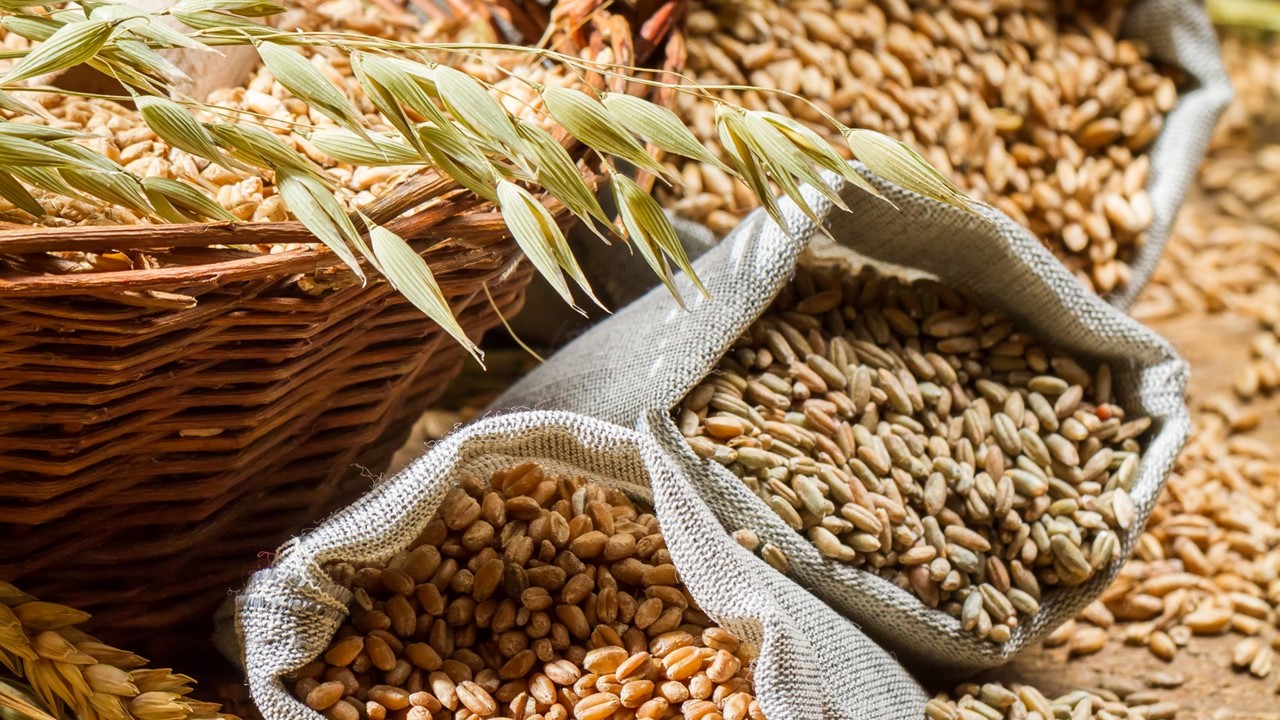
In keeping with bringing our customers a passport-free taste of Greece, Tassos® introduces an authentic line of baked goods that are important in the daily Mediterranean diet. Rusks and Breadsticks contain the components needed for delicious, healthy eating --- whole grains and seeds.
Rusks, or paximadia in Greek, are dry, hard biscuits or twice-baked bread. You may already be familiar with similar hard biscuits – biscotti and Melba Toast, so there is no need to be intimated by these hard toasts. Their appeal is in their versatility, variety, and complexity of flavors and they are great at soaking up liquids!
Our rusks recipes are baked on the island of Crete, Greece and have been since antiquity. Rusks are a universal part of Cretan cuisine, the prototype of the Mediterranean diet!
Our four Cretan Rusks are extremely healthy, with a good fiber content, no cholesterol, superior grade dietary fats, no added sugars or preservatives and they all have a good long shelf life.
- Whole Wheat Rusks with Greek Olive Oil have a nutty, hearty taste.
- Whole Barley Rusks with Greek Olive Oil have less gluten than other grains and is a bold, wholesome grain.
- Whole Rye Rusk with Greek Olive Oil has an intense rye flavor and dense texture.
- Carob Rusk with Greek Olive Oil is naturally sweet while being caffeine-free and a good source of fiber.
|